

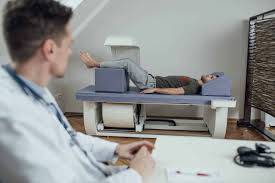
A DEXA scan, also known as Dual-Energy X-ray Absorptiometry or BMD test (Bone Mineral Density test), is a non-invasive, quick, and painless imaging test that measures the density and strength of bones.
It is the gold standard for diagnosing:
Osteoporosis
Osteopenia
Fracture riskIt also helps monitor changes in bone density over time, especially in postmenopausal women, elderly patients, and individuals on long-term steroid or thyroid medications.
🔹
How It Works:
The scan uses low-dose X-rays to assess how much calcium and other minerals are present in a specific area of bone, usually the hip, spine, or forearm. The results are compared to normal values and provided as:
T-score: comparison to young healthy adults
Z-score: comparison to people of the same age and gender
🔹
Benefits of DEXA Scan:
Completely safe and painless
Takes only 10–20 minutes
Very low radiation exposure
Detects bone loss before a fracture occurs
Guides doctors in starting or adjusting treatment for bone diseases
🔹
Who Should Get a DEXA Scan?
Women over 50 and men over 65
People with a family history of osteoporosis
Patients with history of fractures from minor injuries
Long-term users of steroids or hormone therapy
No special preparation is needed, but patients are advised to avoid calcium supplements 24 hours before the test.
A DEXA scan plays a critical role in preventing fractures, preserving mobility, and ensuring long-term bone health.